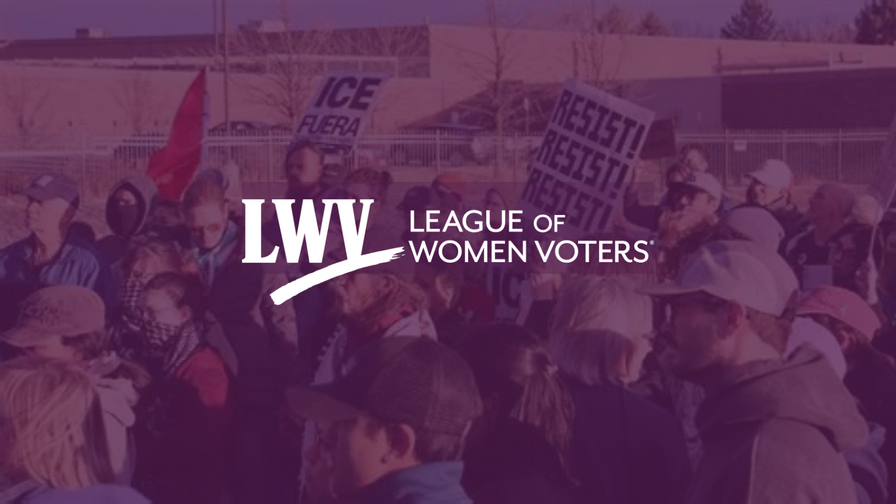
Many voters have expressed concern about the Trump administration interfering with the upcoming midterm elections.
Their concern is warranted; this administration has shown little respect for the law and the Constitution. The same holds true when it comes to elections, as seen in its illegal executive order curbing mail-in ballots and its attempt to suppress the vote via its support of the SAVE Act in its various versions.
Stay Updated
Keep up with the League. Receive emails to your inbox!
Midterms should be an opportunity for the people to hold their local, state, and federal governments accountable for everything that’s happened over the past two years. Election interference would mean politicians don’t have to answer to the growing discontent among American voters — and would be an attack on democracy itself.
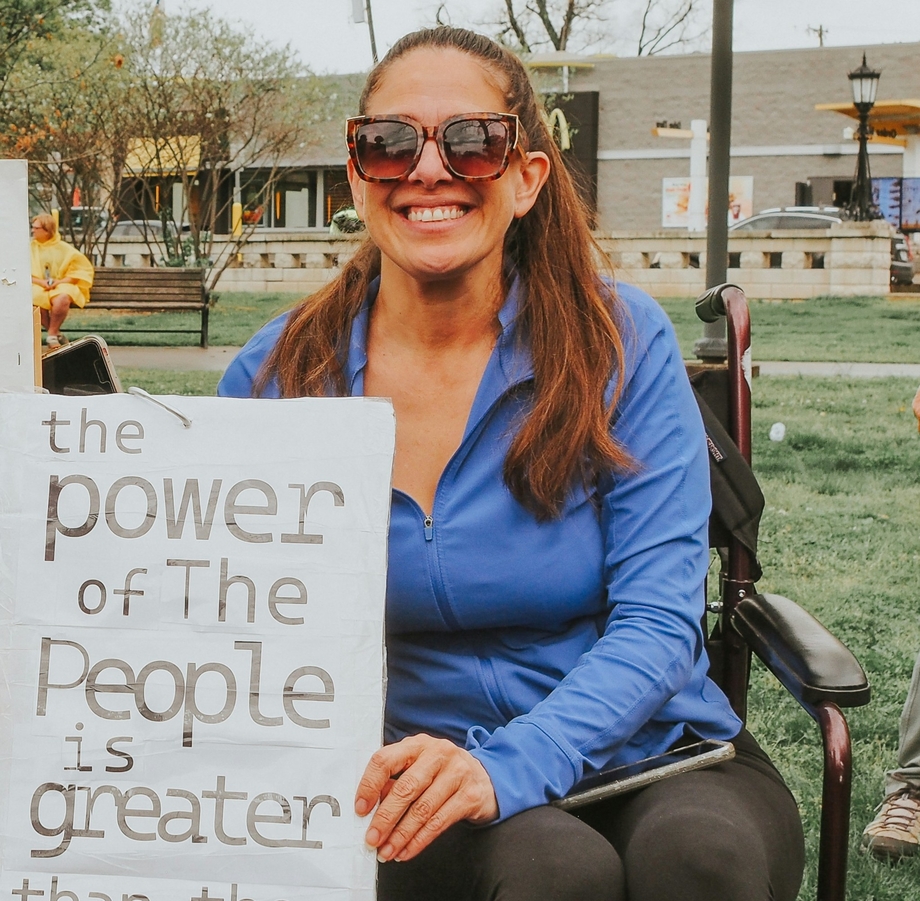
This blog provides information on midterm elections and voters’ rights while addressing some of today’s top concerns, including what would happen if ICE came to the polls or whether the administration can cancel midterms.
What If They Cancel Midterm Elections?
The United States has never canceled a midterm election since the Constitution was ratified — not during World Wars I or II, or even the Civil War. In fact, widespread absentee voting was implemented during the Civil War to ensure Union soldiers could vote while at the front lines.
By and large, states and localities are tasked with administering elections, and thousands of local elections officials in counties and cities of all sizes do their duty, along with even more volunteers and election workers. There is not a magical process through which the President or federal government can legally declare an election will not happen in November of 2026.
Put simply, there will be elections in 2026. The question is what voters and people will do to participate in them and protect them.
What if ICE/CBP Intimidates Voters at the Polls?
Over the past year, civilians in cities across the country have been subject to a wave of attacks and terror from the federal immigration authorities. Thousands of people have had their civil and human rights violated, court orders have been ignored, and innocent Americans have been killed.
Unsurprisingly, many people fear intimidation by Immigration and Customs Enforcement (ICE), Customs and Border Protection (CBP), and other federal agents at polling places. The general worry underlying these concerns is that enough voters will be deterred or physically barred from voting to flip election outcomes.
This fall, DHS Secretary Markwayne Mullin stated that ICE may be present at polls to prevent “specific threats” to public safety. Earlier in September, the city of Denver and several voting rights groups filed suit to block such deployment.
Under 18 USC §594, it is a criminal offense for anyone to commit voter intimidation with the purpose of interfering with a federal election. Contrary to pronouncements from the administration, federal law enforcement officials do not have absolute immunity from state prosecutions, even if accountability is often an uphill battle.
The KKK Act also provides civil liability for voter intimidation, and criminal liability exists under Section 11 of the Voting Rights Act of 1965, as well as 52 USC §20511 and 18 USC § 245(b)(1)(A).
What About the Insurrection Act?
Any attempt to interfere with the election through invoking the Insurrection Act will not legalize federal election interference by force of arms. 18 USC §592 explicitly prohibits members of the armed forces from being present at the polls, unless to repel armed enemies of the United States.18 USC. §593 also forbids any member of the armed forces from setting voter qualifications, preventing qualified voters from voting, forcing election officials to accept illegal votes, unilaterally overriding state or local election laws, or interfering with election officials’ conduct of their duties. Finally, the states and the District of Columbia have laws that ban voter intimidation as well as other provisions that protect voters.
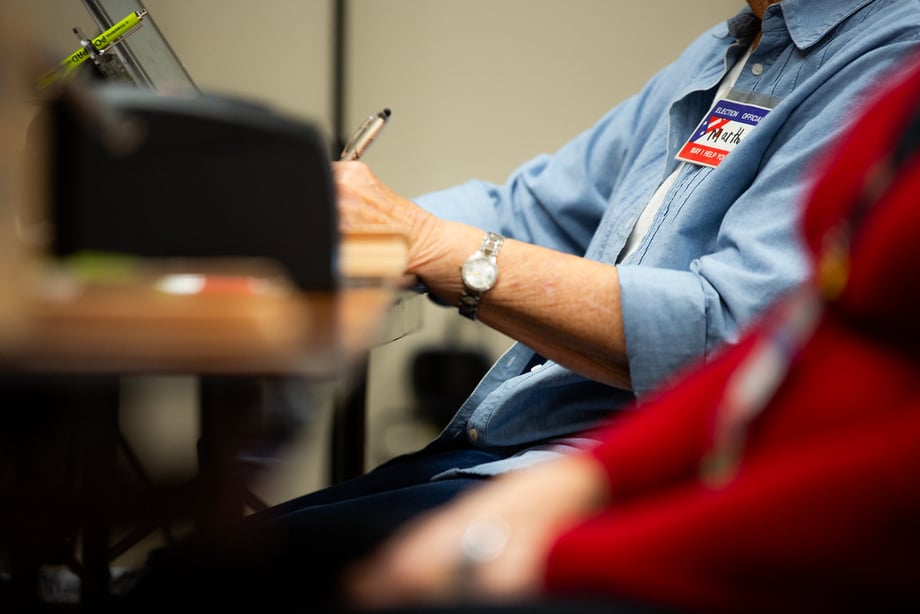
But democracy is not just laws and lawsuits, voters can also do more to protect the election in the following ways.
How to Protect Your Vote
Vote Early
Election Day is no longer a single day. In the vast majority of states, Election Day is just the final day to cast a ballot. Almost all states allow voters to vote early, at their own discretion, either in person or by mail.
There are nearly 100,00 polling places across the United States, and over 94,000 were used in the 2022 general election.
Voting early reduces burdens on election workers on Election Day, allowing for a smoother election and quicker voting for those who need to vote on Election Day.
Become an Election Worker
American elections rely on the hard work and selfless commitment of full-time election workers and volunteers. This year’s elections are no different.
For years, election offices have faced a shortage of poll workers. Signing up to be a poll worker in your community helps elections run smoothly and ensures there are more observers and witnesses if there is attempted election interference or subversion.
Post-Election Defense
Ordinary Americans’ ability to defend free elections does not end on Election Day. The election process continues well after the polls close. Ballots must be processed and counted, and elections must be certified. Various bodies in every state are tasked with certifying elections and processing provisional and challenged ballots.
In 2020 and in subsequent elections, numerous attempts were made to disrupt certification and question, or outright overthrow, election results in states such as Michigan, Arizona, and North Carolina, among others.
Once the home of unnoticed, sleepy procedures, election certification forums are now potential battlegrounds in ensuring every vote is properly counted. That’s why election observers are so important; they make sure governments cannot disobey the law or disenfranchise voters without being noticed. With the decline of local press in many communities, individual observers have become the first line of defense against unlawful acts and voter disenfranchisement in many communities.
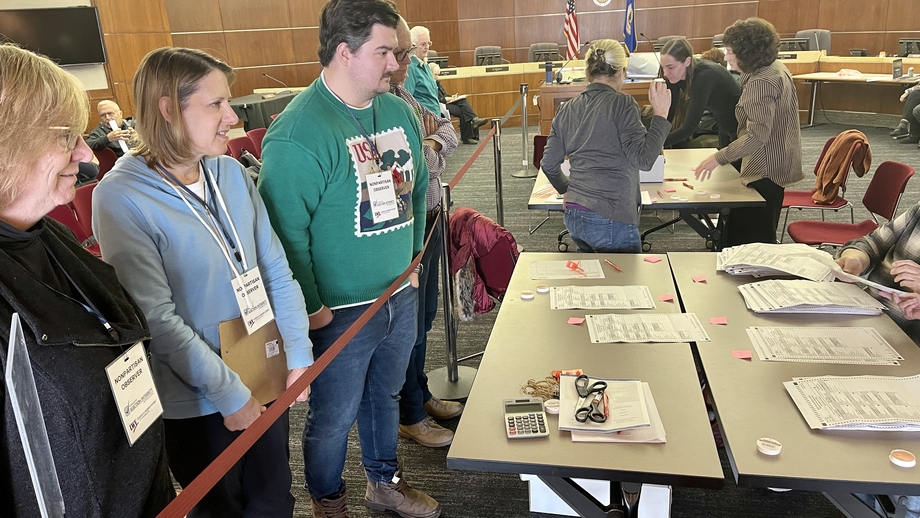
Attendees at a Minnesota "Post Election Review" audit
Leagues across the country have Observer Corps and other observation and election monitoring programs that protect voters. Joining them adds more eyes and ears to monitor our elections and helps make sure they are free and fair. Michigan, Wisconsin, and Minnesota are among several states where Leagues have observer programs.
Ask if your state or local League has a similar program, and if not, join the League and help do this vital work.
To get involved in your community, search our 800+ state and local Leagues.
The Trump administration has led Americans to doubt whether their votes count, whether certified election results reflect the will of the people, and whether our system can endure as the president erodes the foundations of self-government.
Yet we’re far from powerless in protecting our right to vote. Getting involved is an essential first step for us all to take in the defense of our democracy.
Visit VOTE411.org for information on candidates and voting in your state, and reach out to your local League to join their ongoing work. Let’s not be bystanders in this fight for freedom and democracy.