As the 2026 midterms approach, voters are at risk of finding their ballots suppressed by federal voter ID legislation like the SAVE Act.
You are likely familiar with the SAVE Act, introduced and passed by the House last year, which would require all voters to present documentary proof of citizenship (DPOC) to register to vote. The SAVE America Act is the 2026 version of the bill, updated to require voters to present specific state-issued photo ID to cast their ballots. Many advocacy groups, including the League, use the broad term “SAVE Act” to refer to the SAVE America Act for simplicity, as we have been educating voters about the dangers of these policies for over two years.
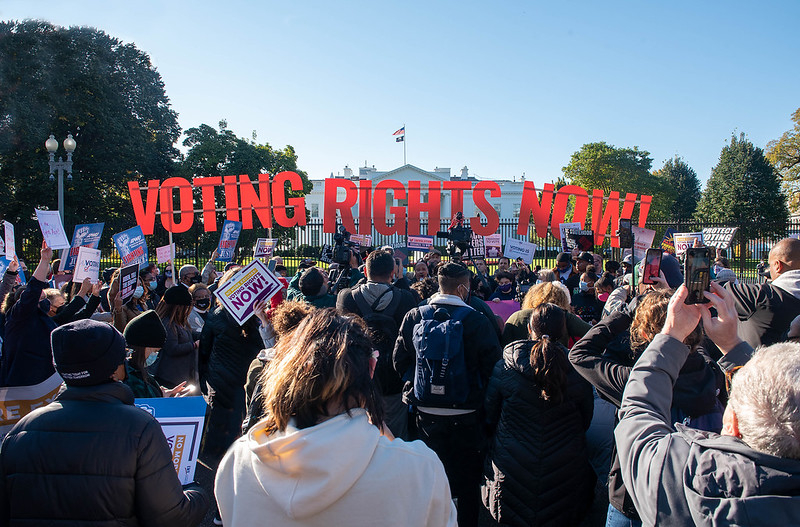
The SAVE Act specifically could come up for a vote again in the US Senate when Senators return in September. After the US House passed the legislation in February, the Senate took up the measure but ultimately failed to advance it. Just before the August recess, Senators again left Washington without passing the bill, despite continued pressure from President Trump and Republican leaders. We can expect that in the remaining time between now and the election, the Trump Administration will amp up its pro-SAVE Act efforts.
How Would the SAVE Act Impact the Midterms?
For voters, the coming weeks are especially important. The November election is approaching, and if Congress manages to pass any version of the SAVE Act before then, voter registration and how voters cast a ballot could change dramatically, with very little time for voters and election administrators to adjust.
Under current federal law, states use a variety of registration systems, including online registration, registration through motor vehicle agencies, automatic voter registration, mail registration, and community-based registration drives. The SAVE Act would disrupt all of these systems and even eliminate some.
Additionally, the documentation considered acceptable under the SAVE Act is extremely limited. Most voters would need to show a passport or birth certificate to prove their citizenship. Because the bill is not simply about registering for the first time, changes to voter registration would also trigger documentation requirements.
That may sound straightforward until we consider how many Americans do not have immediate access to the documents the legislation would require. The Brennan Center for Justice has estimated that more than 21 million US citizens of voting age do not have ready access to documents such as a passport or birth certificate. There are also many specific communities of eligible voters who would be unnecessarily burdened by the requirements of the SAVE Act, including:
- Young voters, older Americans, low-income voters, people who have moved frequently, people with disabilities, rural voters, and people who do not have easy access to government offices can face obstacles.
- Families who have been impacted by natural disasters or relocated due to domestic violence and may have lost access to or physical copies of important documentation. They would be required to jump through hoops to replace these documents while also going through the traumatic process of rebuilding their lives.
- Additionally, voters who change their names due to marriage, divorce, or gender identity may be turned away if their ID does not match the name on voter rolls. These mismatches, often of no error on their part, falsely render voters ineligible and disproportionately impact women, trans voters, and older adults. There are an estimated 69 million American women who lack a birth certificate that reflects their current name — they would all be at risk of being silenced.
Voter ID Laws Create Confusion — and Aren’t Needed
Even if the SAVE Act doesn’t pass before November, confusion can become a barrier to voting. For years, elected officials, candidates, and advocacy organizations supporting restrictive voting laws have promoted false claims that American elections are filled with large numbers of people who are illegally voting. This focus on noncitizen voting threatens to create confusion about who is eligible to vote, how eligibility is determined, what ordinary voters need to do to participate, and sows distrust in the outcome of our elections.
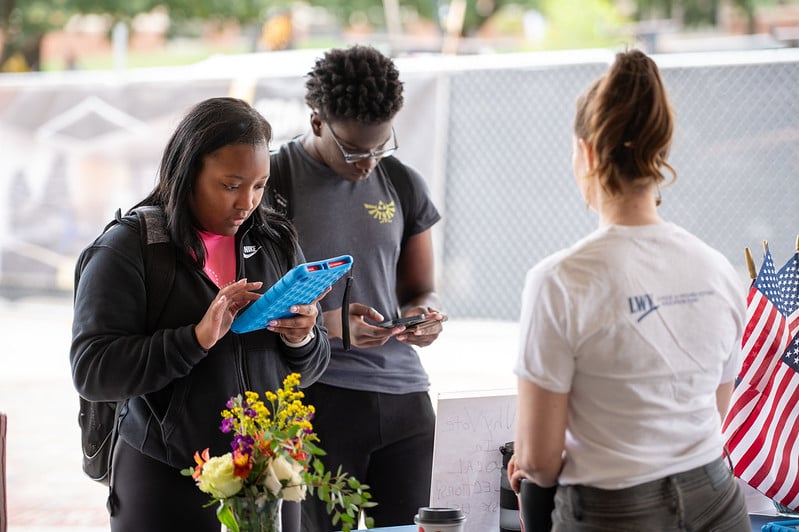
Voters who believe they need a passport to register may decide it’s not worth the trouble. Confusion makes voting sound more complicated and less accessible than it should be.
The onus should not be on eligible citizens to prove citizenship before exercising their right to vote. This is especially true because election officials already have systems in place to determine voter eligibility and maintain accurate voter rolls. States routinely conduct list maintenance, verify information, and investigate potential problems. The existence of occasional errors does not mean that millions of eligible voters should be required to overcome new documentation barriers.
As mentioned before, the updated SAVE Act would include the recently added requirement for voters to show approved photo ID to cast their ballots. It specifies a narrow list of acceptable documents that excludes student IDs, tribal IDs, expired IDs, or government-issued IDs without photos. This disenfranchises students, rural and tribal voters, and older adults who may no longer drive—just to name a few. Even when IDs are technically accessible, the process of obtaining one can be costly and time-consuming. This includes fees for supporting documents, travel to ID-issuing offices, long wait times, and taking time off work or arranging childcare or eldercare. These burdens fall most heavily on low-income voters, women (who are more likely to have caregiving responsibilities), and those without reliable transportation.
What Happens if the SAVE Act Passes?
This is where the 2026 election timeline becomes particularly important. If passed, the SAVE Act’s requirements to show DPOC to register and photo ID to cast a ballot would take effect immediately upon enactment. So, if Congress passes it before the November election, election officials would have to implement major changes for an election that is already underway.
What can you do?
The most important thing voters can do right now is register to vote and ensure their voter registration is accurate, up to date, and ready for November.
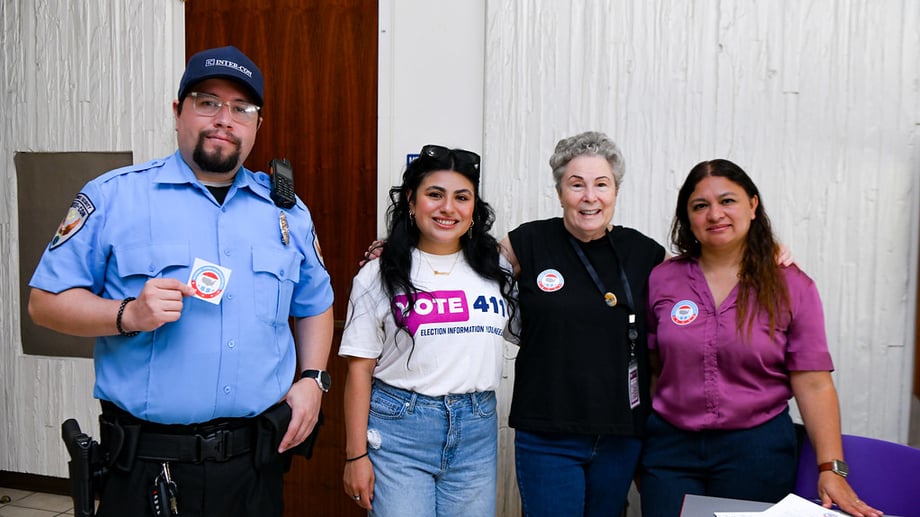
Encourage friends and family to check their registration now by using VOTE411.org. League members have an important role to play in encouraging their communities to check their registration status now. People move. Names change. Addresses change. Registration records can contain errors. Checking now gives voters time to correct problems before Election Day.
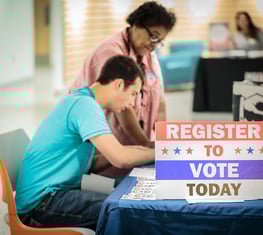
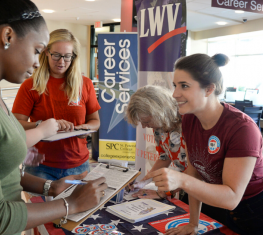
Additionally, National Voter Registration Day is Tuesday, September 15, and organizers across the country are preparing registration drives, community events, and voter education efforts.
Encourage voters to verify their:
- Full name
- Current address
- Mailing address
- Party affiliation, where applicable
- Registration status
- Polling location
- Any other information required by their state. Use VOTE411 to confirm your state’s rules!
After registering or confirming registration information, it is also important that all voters confirm the voting requirements in their state to ensure they are ready to comply. Use VOTE411 and share the website with others to understand whether you’ll be required to present an ID to vote, if you can vote early or by mail, and more!
It's also essential to push back against the SAVE Act. Use our action alert to urge your Senators to vote No if the SAVE Act is brought for a vote. If Senate Majority Leader Thune bows to pressure from the Trump Administration and schedules the SAVE Act for a vote in September, it is critical that our Senators know how bad this bill will be for their constituents.
The right to vote is strongest when Americans are free to use it. Right now, our job is to make sure every eligible voter is prepared to do exactly that in November!