



Millions of Americans vote by mail every year. Voting by mail is an established tradition and efficient method of casting a ballot across the country, but the rules governing how ballots are returned, verified, and counted vary state by state.
To ensure all mail-in ballots are counted, it’s important to have “notice and cure” processes. This blog will describe what those processes are, and why they’re important.
Stay Updated
Keep up with the League. Receive emails to your inbox!
The Issue of Rejected Ballots
Our democracy is strongest when every voter is able to make their voice heard. But every election, thousands of ballots are thrown out because of simple technicalities like missing the delivery deadline, issues with the signature, or uneven enforcement of the rules. This is especially true for communities of color, younger voters, and first-time voters who are more likely to have their ballots rejected.
In the 2024 general election, 1.2% of mail ballots were rejected nationwide. The most common reason for rejection was an alleged non-matching signature, which accounted for 40.7% of the rejections While that overall rate may seem relatively small, that 1.2% represents hundreds of thousands of voters’ ballots. What’s more, it’s a higher rate than those from 2020 and 2016.
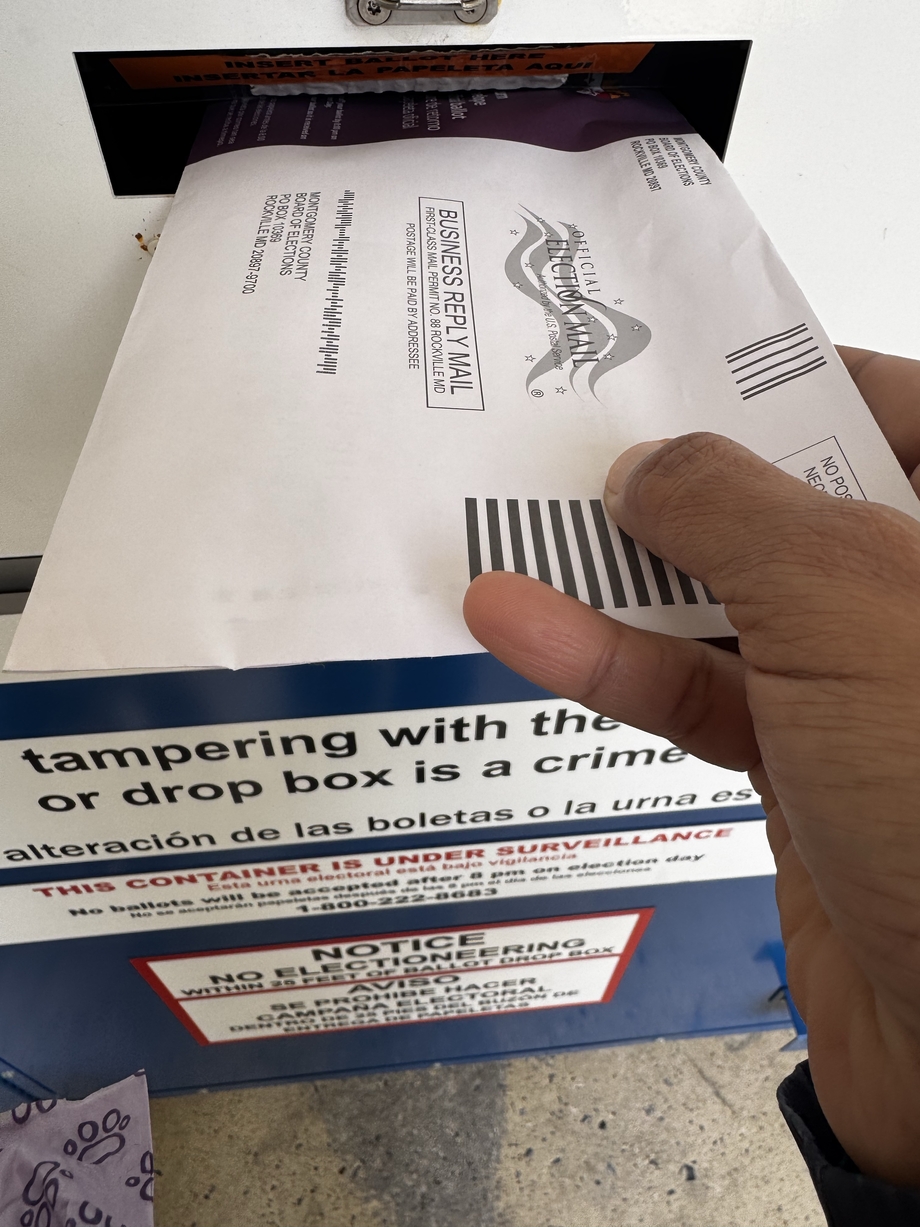
Fewer rejected ballots mean that the actual will of the population will be reflected in the vote total. One of the best ways to ensure that every vote is counted is for states to have notice and cure procedures in place.
What Does Notice and Cure Mean?
Simply put, notice and cure is a process where the state notifies a voter of an issue with their mail-in ballot and provides the voter with an opportunity to fix or “cure” that issue so that the voter’s ballot will be counted.
The bulk of these issues are small errors with either a missing signature or a signature that doesn’t match the one on record. Normally, a local election clerk’s office will notify the voter by phone, email, or through the mail, then provide the voter with the process and timeframe for the error to be corrected. The remedies required for curing a ballot vary from state to state and can include showing up at a location and showing your ID or emailing a copy of your ID to the election office.
Currently, 35 states and Washington, DC, have laws requiring a voter to be notified if there is a mistake with the signature on their ballot and provide them with an opportunity to fix it. The specific procedures, deadlines, and types of errors that can be corrected through notice and cure vary by state.
In states that don’t have these procedures, a mail-in voter can submit their ballot and, because of a technicality, have their vote disqualified. While some states have ballot tracking mechanisms in place, this doesn’t ensure that the voter will have enough time to spoil and resubmit the ballot or contact the election office and request to fix it.
As Celina Stewart, Esq., CEO of the League of Women Voters said, “unless you call your local election officials daily or hourly basis to see if your vote had been recorded, there isn’t a way to know until after the election was completed and the numbers are sent to the state.”

Recent election data shows the potential impact of notice and cure processes. In Pennsylvania's 2024 general election, counties that allowed voters to correct errors on their mail ballots had a rejection rate of 0.49% for technical deficiencies, compared with 0.59% in counties that did not allow curing. According to the analysis by Votebeat and Spotlight PA, that meant 17% fewer ballots were rejected for these errors in counties that allowed voters to cure their ballots.
Notice and cure processes are the most effective mitigation factor against voter suppression relating to mail-in ballots.
LWV Fights for Notice and Cure
The League has led the charge in many states that lack a process, where we have seen patterns of higher rejection rates, to push for a way for voters to protect their vote.
We’ve brought litigation in states like Arkansas, Pennsylvania, North Carolina, New Jersey, Texas, New York, Ohio, Mississippi, South Carolina, and Wisconsin to compel those states to adopt notice and cure processes. Federal courts are increasingly recognizing that notice and cure processes are required by the 14th Amendment because, without it, voters are deprived of their procedural due process rights.
Support our work fighting for pro-voter policies like notice and cure!
Notice and cure processes help ensure the results of an election will be fair and accurate. You can promote notice and cure processes by checking your state’s voting laws to determine whether these procedures are an option for you and double checking all your ballot information before submitting it. Contact your local election office if you believe there are any corrections to make to your mail ballot.