

Some myths about voting and elections won’t die, even when they have been verifiably debunked. They rise from the dead like zombies — and may be just as interested in harming our brains.
Education is your best protection from these Walking (and Social Media Posting) Dead.
Stay Updated
Keep up with the League. Receive emails to your inbox!
Here are three persistent myths and some facts to help put them to rest for eternity.
Myth #1: My Vote Doesn’t Matter/Night of the Living Voter Burnout
When tens of millions of people cast ballots, it can feel like your own vote is just one small drop in a huge bucket. Especially if the outcome of a major election on your ballot seems predictable, it may feel like showing up to vote is more work than it is worth.
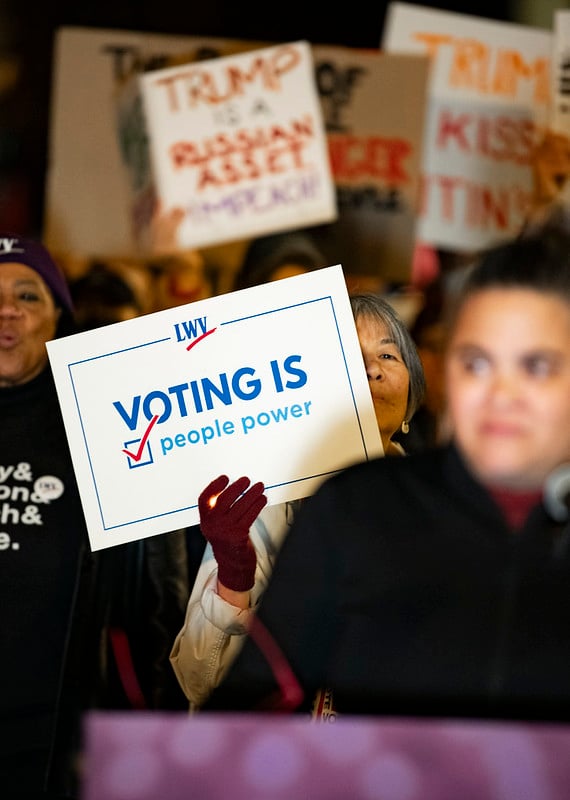
The reality is that elections can be, and often are, surprisingly close. Your vote could have massive consequences, especially at the state and local level. In 2000, 537 votes in Florida decided the state’s electoral votes and ultimately the winner of the Presidential election. And in 2017, a Virginia House of Delegates race was decided by one single vote. Although not every election comes down to your one ballot, close results show why you never can know in advance how much impact your participation will have.
Your ballot will always reach beyond the biggest race in the headlines. State and local elections shape decisions about schools, transportation, and the things that most directly impact your daily life. Anti-democratic actors wouldn’t be working so hard to keep you from voting if it didn’t make a difference.
Myth #2: Voter Fraud is a Problem/28 Voter Suppressions Later
Certain politicians have sounded the alarm about the purported risk of voter fraud. To address this perceived threat, they’ve pushed for adopting laws that restrict access to voting.
Federal and state laws require voter registration applicants to attest to their citizenship under penalty of perjury when registering to vote, and election officials already have tools and processes in place to investigate citizenship status when or if concerns arise.
It has been proven time and time again: voter fraud is vanishingly rare. Further, there are already strong safeguard measures in place to detect irregularities and investigate potential cases of voter fraud, making the need for further legislation even more unnecessary.
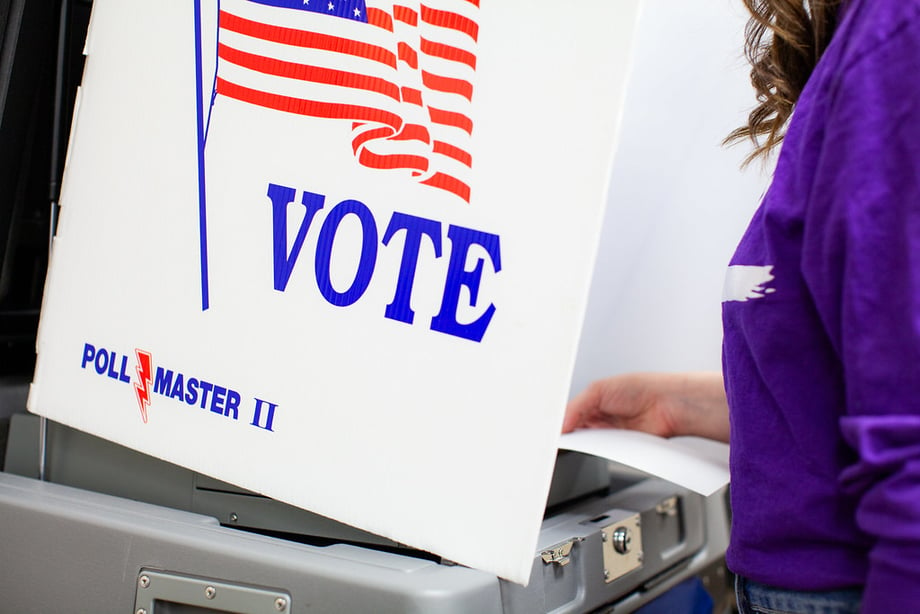
In reality, legislative “solutions” proposed to solve voter fraud are more likely to result in eligible voters being turned away at the ballot box. Older, Black, Latino, and college-age voters are disproportionately impacted when ID laws are in place and have a harder time making their voices heard. You can learn more in this blog on Voter ID laws.
The threat of voter fraud is completely made up. Any attempts to “solve” voting fraud by making voting harder are the real threats to democratic participation. And yet, the myth of its existence is repeatedly parroted by bad actors in politics.
Myth #3: Mail Voting Isn’t Secure/Fear the Walking Ballots
When you submit your ballot through the mail rather than a voting machine, it’s understandable to wonder how it safely moves through the system.

The answer is layers and layers of safeguards. In accordance with their state’s election procedures, election officials have rigorous systems in place to efficiently process mail ballots and use voter records to prevent more than one ballot from being counted for the same person.
Mail voting security procedures include ballot tracking and, in many places, "notice and cure" opportunities for voters to correct problems with their ballot envelopes. “Notice and cure” opportunities refer to a process where a state gives notice to a voter who used a mail-in ballot that their ballot contained a fixable issue, like a missing or illegible signature, and the voter has a window of opportunity to correct it.
What about mail-in voting fraud? Out of 250,000,000 votes cast by mail between 2000 and 2020, there were only 193 criminal convictions related to mail voting fraud.
Voting by mail requires a unique and strictly protected process with its own checks and additional safeguards in place. The United States Postal Service has long worked closely with election officials at all levels of government to ensure secure handling of mail ballots. Further, the United States Postal Inspection Service protects ballots mailed to and from voters via sworn federal agents who are trained to ensure laws are enforced, crimes are prevented, and the nation’s Election Mail is securely delivered. If you choose to vote by mail, follow your election office’s instructions and deadlines, and use ballot tracking where available to check that your ballot was received.
All the way back to the 1864 election, at the height of the Civil War, hundreds of thousands of Americans cast ballots by mail. More than 160 years later, no amount of misinformation can change the fact that absentee and mail voting remain highly secure methods for millions of voters to participate in our democracy.
In Closing/Train to Representation
Don’t let these zombie myths scare you out of voting. Know and share the facts, use VOTE411.org to check your registration, find credible information about candidates on your ballot, and make a plan to vote.
Together, we can defeat the undying, anti-democratic myths and rescue our democracy.