
Few things are more deeply woven into the story of the United States than immigration. Our multicultural population is one of the United States' greatest strengths.
Yet some current policies are pulling us away from that strength...and from the ideals our nation has long aspired to uphold.
There is an effort underway to erase or diminish what it means to be Hispanic in this nation, replacing a rich and complicated history with a false narrative that treats our presence as recent, our contributions as peripheral, and our place in the United States as somehow conditional.
We are not newcomers to the American story. We are not a footnote to it. We are not a political constituency to be courted when convenient and vilified when it is not.
We are part of the foundational fabric of this country.
On our nation's 250th anniversary, we remember that we the people are what makes America great.
In March 2026, the Supreme Court determined that Colorado’s Conversion Therapy ban violated the First Amendment, in a major loss to LGBTQIA+ rights.
Colorado moved quickly on two fronts: maintaining protections for youth in a way consistent with the First Amendment and strengthening accountability for past harm.
For many communities, being counted is not just a matter of data. It is a matter of recognition, representation, and resources. Yet for Arab Americans, this recognition has been deferred for decades and obscured under the category of whiteness, which fails to capture who we are. It is worth examining how we celebrate Arab American identity and how our institutions are coming dangerously close to rendering it invisible.
Over the last 16 months under the Trump administration, people of color and marginalized communities across the country have faced both overt and subtle forms of targeting and discrimination at the federal level. One of the less visible examples is how the federal government has handled updates to federal race and ethnicity data standards, particularly as they relate to the upcoming 2030 Census.
A complicated legal system, the fraught history of international adoption, and the current Administration’s rhetoric around citizenship and immigration have caused concern for many adoptees. Are they at risk of being deported or losing citizenship?
WASHINGTON, D.C. – The US Supreme Court should strike down President Trump’s executive order on birthright citizenship, according to an amicus brief filed by the Lawyers’ Committee for Civil Rights Under Law and Howard University School of Law’s Civil Rights Clinic on behalf of the NAACP, the League of Women Voters, Equal Justice Society, the National Urban League, and the Leadership Conference on Civil and Human Rights.
For many Native communities, voting is closely tied to issues of self-determination and the protection of future generations. Access to the ballot is shaped by a long history of policies that have restricted Indigenous political power.
While these themes have been raised for decades by Native leaders and organizations, the barriers themselves are well-documented, and they continue to affect participation today.
The Colorado State Legislature defines conversion therapy as the effort to change an individual’s sexual orientation, including efforts to change behaviors or gender expressions or to eliminate or reduce sexual or romantic attraction or feelings toward individuals of the same sex. The Legislature felt so strongly about the dangers of conversion therapy that, with bipartisan support, they passed House Bill 19-1129, prohibiting conversion therapy for minors in Colorado.
HB 19-1129 is being challenged in court by a conservative Christian therapist in Colorado Springs.
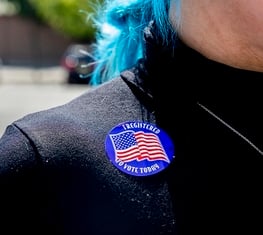
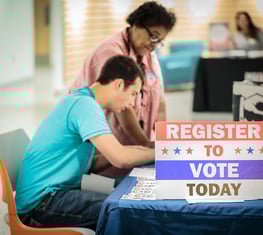
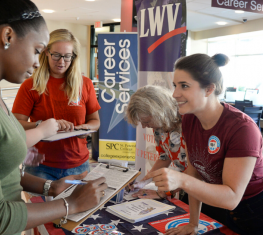
Cada año, aproximadamente 1,4 millones de hispanos se vuelven elegibles para votar. Además, el electorado latino es más joven que el promedio nacional: su edad promedio es de unos 37 años, casi una década menos que la del conjunto del país.
Cuando los jóvenes se registran y votan, no solo suman un voto más: llevan las historias de sus familias a las decisiones públicas. Un primer voto puede reflejar los sacrificios de los padres, la guía de un maestro y las esperanzas de una comunidad, y así convertirse en parte de la vida pública.