
Why It Matters
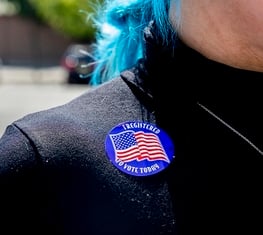
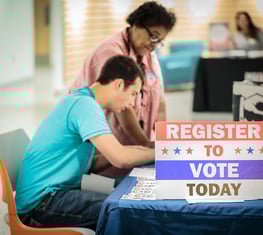
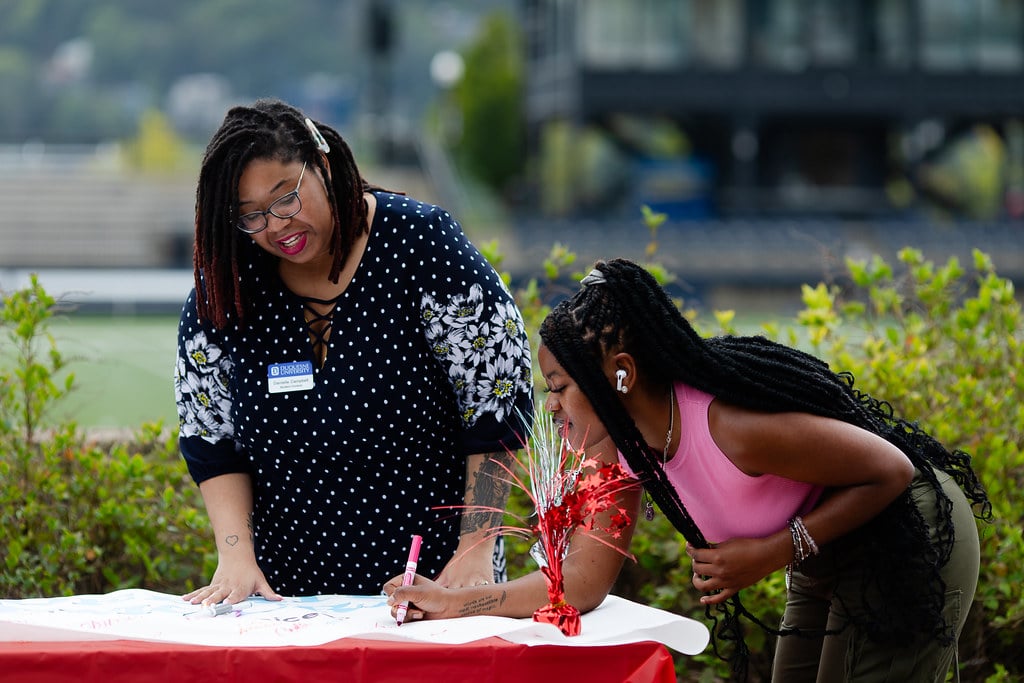
The leaders we elect make decisions that affect our daily lives. Elections are our chance to stand up for what matters most to us and to have an impact on the issues that affect us, our communities, our families and our future.
What We're Doing
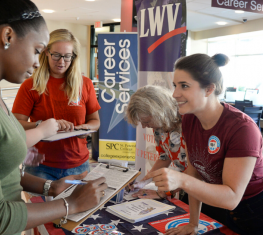
We host hundreds of candidate debates and forums across the country each year and provide straightforward information about candidates and ballot issues. Through print and online resources, including VOTE411.org, we equip voters with essential information about the election process in each state, including polling place hours and locations, ballot information, early or absentee voting rules, voter registration deadlines, ID requirements and more.
Take Action
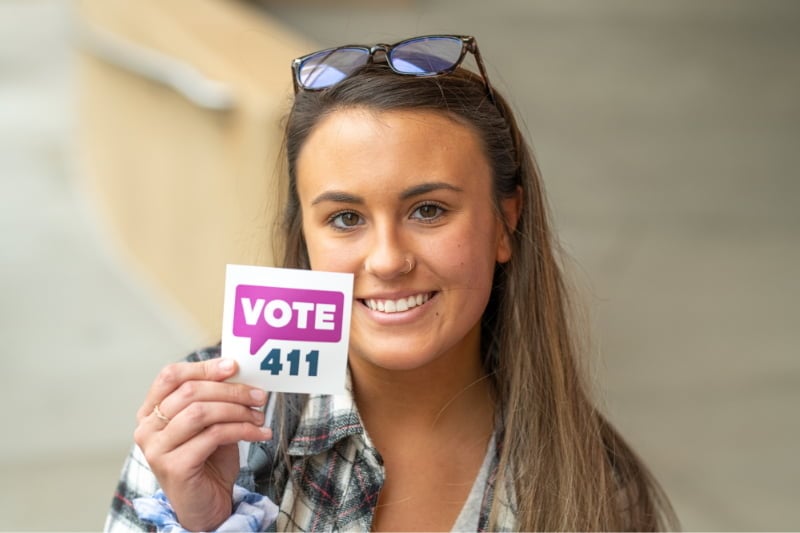
- Find election information you need at VOTE411.org
- Support our work to empower Americans with knowledge
- Spread the word about voting by sharing this page with your friends and family on social media
Join your local or state League to empower voters in your community!
This conversation originally aired on C-SPAN's Washington Journal.
League of Women Voters CEO Virginia Kase Solomón talked about women voters and the 2022 midterm elections.
This story originally aired on Inside Kansas Politics.
Jacqueline Lightcap with the League of Women Voters of Kansas discussed what voters need to know before casting their ballot this November.
This story originally aired on News on 6.
The League of Women Voters said approximately 70% of Oklahomans who are eligible to vote are registered, but they also said a small fraction of that number cast ballots on Election Day.
Stay Updated
Keep up with the League's voter education efforts.
Donate and support our work
to empower Americans with civic knowledge.